A fair archive
Understanding fairness as the uttermost expression of an idealistic exchange between individuals or concepts, or what might be defined in popular culture by the notions of a supra “win-win situation”, archives are not close to conceptual or individual fairness.
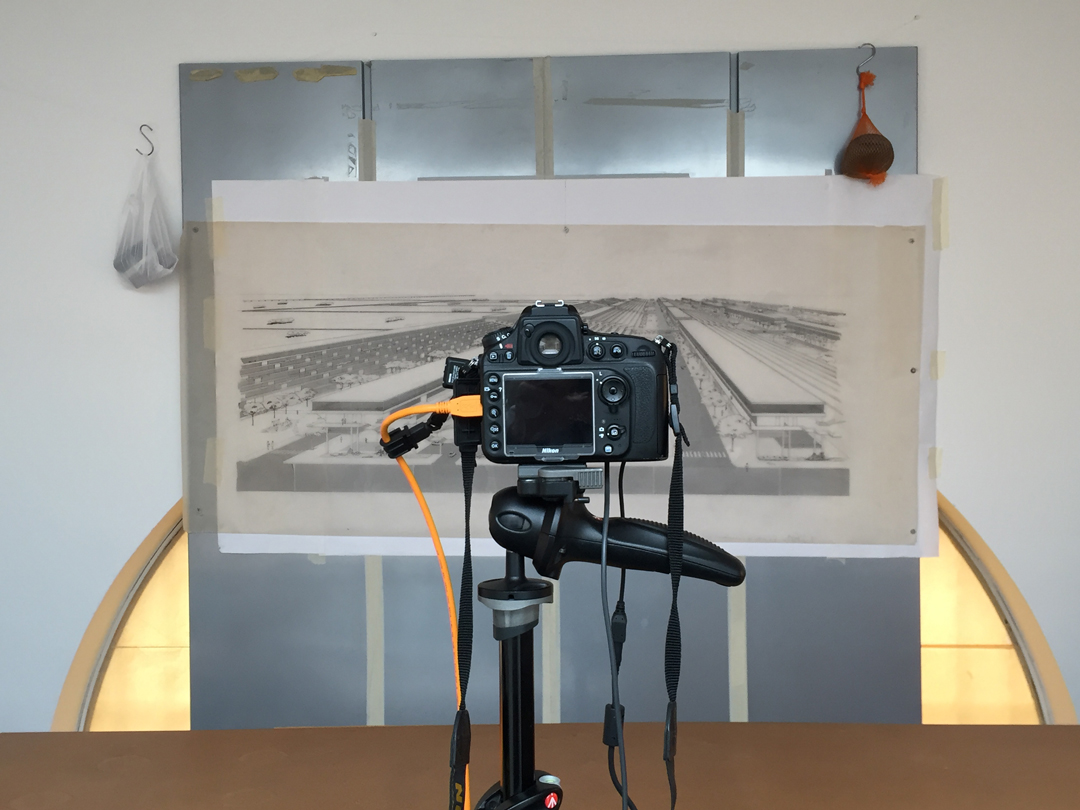
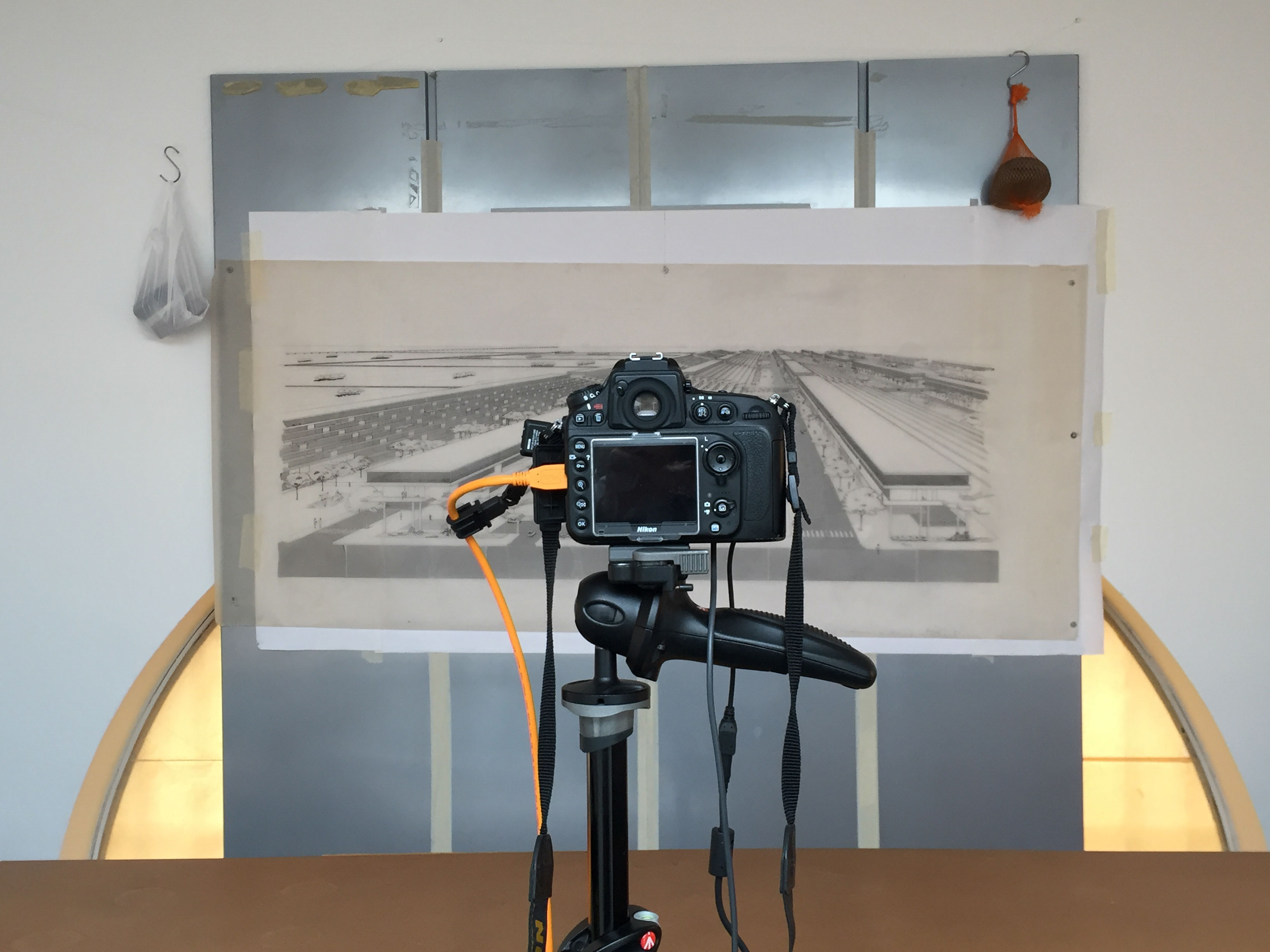
A recent 10-year incursion on the realm of architectural unarchiving, while developing a program for rescuing, digitizing and exhibiting the archive of late architect Amancio Williams before it flees the country has enlighten some overseen chapters of the traditional discussion on the subject. After 20 years of bearing with their father’s legacy, the William’s family was looking for an international institution that could overtake the task, during that process we worked our way into the archive to harness a possible narrative on digitizing archives through the perspective of a small institution like Monoambiente. It was during that process, that Monoambiente developed an international program of curatorial visits to Buenos Aires, as an agenda to introduce the local scene, invigorate the gallery’s program with lectures and workshops, and to open up the discussion about its alternative programs, like the Williams Archive Digitalization program. That is how in 2015 we extended an invitation to the Canadian Centre for Architecture to curate a show in Buenos Aires, which resulted on a Latin American addendum to The Other Architect. During that institutional visit is where the love between the Williams Family and the CCA sprouted, ending out in the complete donation of the Archive to the CCA by the heirs of Amancio Williams.
For us, this process grounded a series of complex matters that felt overlooked by the canonical global discussion around the unfairness of the modern tradition, which usually delves on the margins between the critical abandonment of a cultural fabric represented by architecture documents and the cultural appropriation of institutions that are willing to adopt them and rescue them.
Yet before we take it thar far, which usually renders the whole thing a little bit too serious, I suggest to overlook the real-life drama behind the mere notion of archivism itself.
Since there is no archivism without drama, archiving could never be a fair trade.
Far from that, in my opinion, archives grow naturally closer to the aesthetics of a soap opera, in some cases a Latin-American one.
From fair to fairy.
As an idea, archivism usually sprouts within a working practice that understands that its production should prevail its time, and therefore become a representation of a moment, through a selection of great projects. No archive depicts a practice in full form, since we all at some point edit ourselves, willing or not to withstand beyond our time. The archive as a grandiloquent force of edition excludes then a number of variables, contexts and dynamics which are part of every practice but might be diluted into omission by the self-indulgent archivist who considers them less relevant. No archive plays fair on the construction of a figurative yet mythical representation of itself.
A fair amount of time
As an instantly decaying active, archives must then lurk for support, care and attention from others than the archived. Sometimes because he or she is no longer there, sometimes because he or she has outgrown it. As a newborn child that demands attention and requires time from its caretakes to build its own, archives at one point require the warmth of families, heirs, and everlasting guilt bonds to find their way into institutional safety. As unfair as it sounds to live within the scope of someone that thinks greater than himself to leave behind a “cultural heritage”, it might even be more dramatical to outlive him or she as some sort of guardian of a holy grail that waits to be discovered within a pile of boxes and paper tubes in an attic somewhere.
Fairplay or Foreplay
As their genesis is usually grounded along the wills of a certain timeless greatness performed while a practice is still living, it is normal to land on a referral lexicon that consolidates on the terms of the value, of both assets and efforts, needed to resist Oblivion. As it endures into cultural form, throughout institutional claim, and conservancy delicacy, the archive will once again emerge surrounded of certain halo of extravaganza, demanding burocratic paraphernalia to approach the will of revision of its peers. Those will then once again indulge the archived master and its masterpieces, in a “nerdy” ritual choreographed within cold dim lighted guarded vaults, latex gloves and acid free boxes, to gain access and permission to be worthy to cite, paragraph and finally exhibit the master. It will be done, obviously in total historiographical fairness.